– Master of Chinese Medicine, CUHK
– Registered Chinese Medicine Practitioner
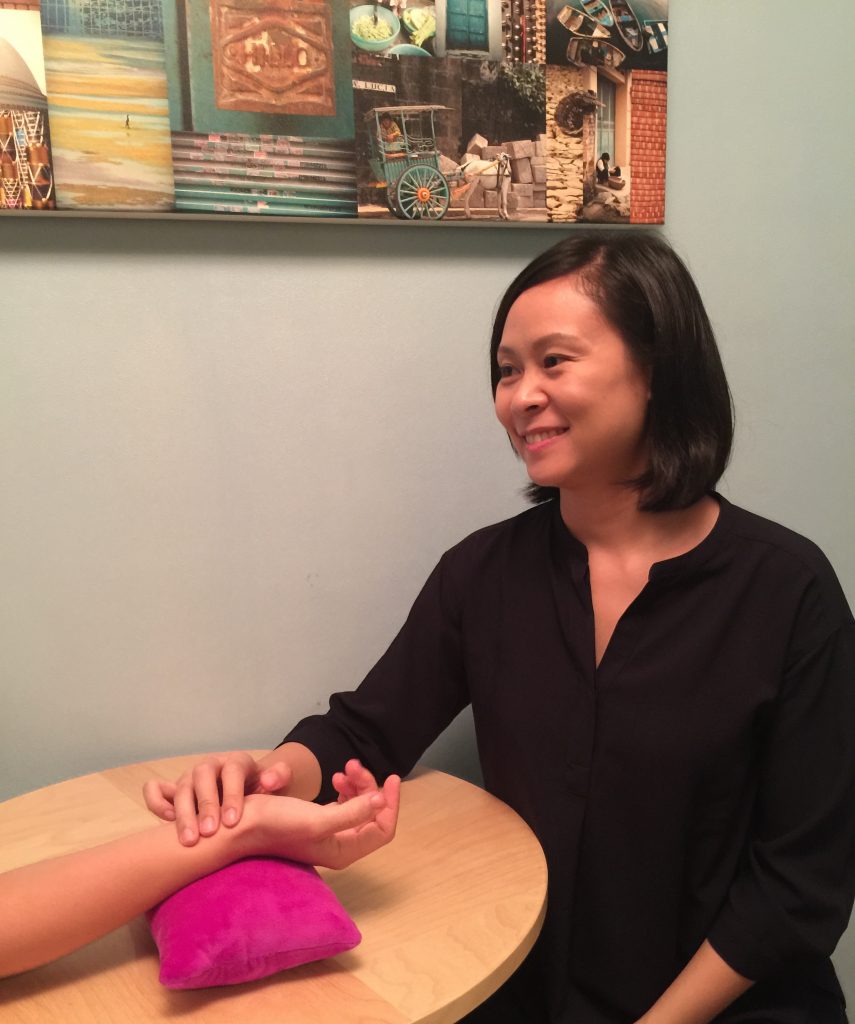
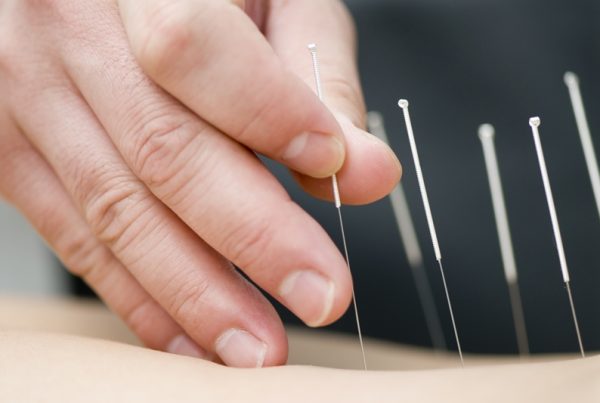
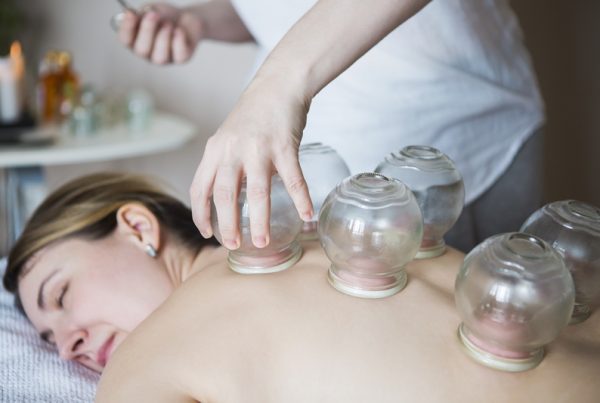
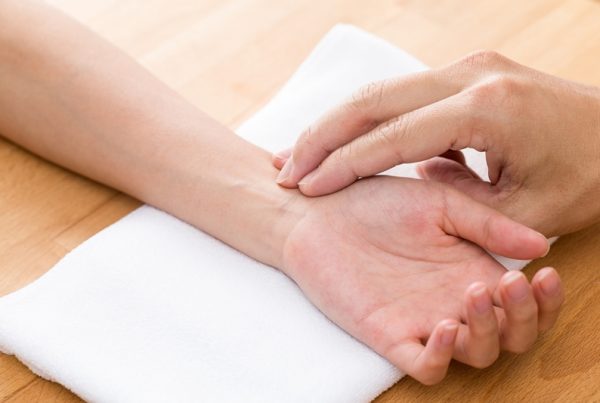
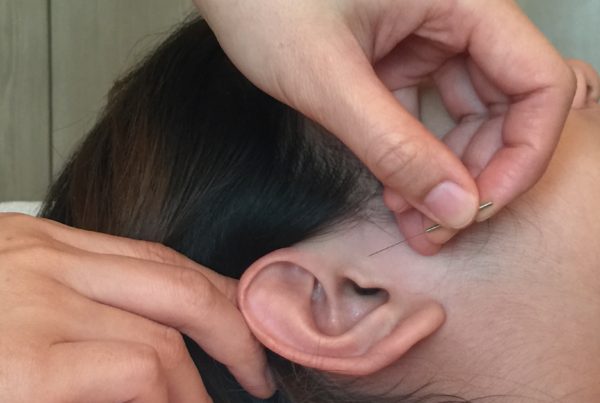
Maxine offers General Practice in Traditional Chinese Medicine (TCM), including full diagnosis, symptom analysis and treatment. Treatment may include the preparation of medicinal formulas (herbal based), acupuncture and cupping. Formulas are mixed according to the personal needs of the patient and consist of GMP approved, concentrated medicine granules. Treatment is offered for adults and children, including for specific gynecological or pediatric concerns.
Areas of Speciality:
- Basic ailments: common cold, cough, headache, insomnia, postoperative care.
- Musculoskeletal disorders: sciatica, back pain, joint pain, frozen shoulder, tennis elbow, carpal tunnel syndrome, plantar fasciitis, rheumatoid arthritis, chronic pain, post-stroke ailments.
- Skin disorders: eczema, psoriasis, acne, dermatitis.
- Asthma, sinusitis, chronic obstructive pulmonary disease (COPD), tinnitus.
- Internal disorders: Irritable bowel syndrome (IBS), indigestion, digestive system problems, migraine, dizziness, hypotension, hypertension, diabetes, edema, chronic fatigue syndrome (CFS), weight issues, hair loss.
- Female’s health disorders: pre-menstrual syndrome (PMS), menstrual disorders, menopausal syndrome, Infertility.
Maxine has completed the Masters of Chinese Medicine degree at The Chinese University of Hong Kong and is registered through the Chinese Medicine Council of Hong Kong. She has worked closely with a master TCM doctor in his clinic in Hong Kong for four years and has also accomplished practicums at the Beijing Xuanwu Hospital and Shenzhen TCM Hospital.
Book An Appointment with Maxine
See What Our Clients Are Saying
FAQ
What is PMS/ menstrual malaise?
PMS stands for Pre-Menstrual Syndrome. Many women suffer from PMS or menstrual malaise. PMS is not simply uncomfortable, or an excuse to crave sweet foods. It is also not a superficial excuse for a woman to need additional attention. PMS and menstrual malaise are characterised by a range of cyclical physical and/ or mood symptoms which are experienced periodically during each menstrual cycle. This can start to happen to girls once their menstrual cycle becomes established and last throughout their reproductive years (20-40 years old).
What kind of symptoms can be expected?
The symptoms most commonly begin 7 to 14 days before the menstrual period and tend to become more severe 2 to 3 days before menstruation starts. Symptoms generally disappear when the menstruation finishes, but in some cases, they can persist for a longer period of time.
Women usually have the same symptoms each month, but they can also vary. In fact, more than 90% of women have different levels of premenstrual symptoms. On average 30% to 40% of women have serious symptoms affecting daily life.
The most common symptoms include:
- Emotional swings – (irritability, depression, etc.)
- Body pain
- Breast pain
- Diarrhea
- Headache
- Edema
- Menstrual hives
- Mouth sputum
- Tendency to get colds, etc.
How does TCM explain PMS and menstrual malaise?
From a medical point of view, PMS and menstrual malaise are related to the physical changes which occur within the female body during the menstruation cycle. From the point of view of Chinese Medicine, these conditions indicate that there is a pattern of disharmony within the body. The symptoms experienced during PMS can be traced to the flow of qi (chi) throughout the body, specifically in the liver. In Traditional Chinese Medicine theory, the liver is directly involved in menstruation because the liver stores the blood and regulates the flow of qi (chi). If the qi (chi) is not circulating well, or the woman already has a lack of blood, the qi (chi) can become stagnant.
Common menstrual symptoms include breast pain or tenderness, body pain or swelling, headache, irritability and depression, etc. On the other hand, during or after menstruation, the woman can easily end up with a situation of deficiency of qi (chi), manifesting as diarrhea, dizziness and cold, etc. Those who have a busy lifestyle or significant stress at work may more easily have body deficiencies resulting in organ damage that negatively impacts the liver, spleen and kidney functions.
How does TCM help me to reduce the negative symptoms of PMS?
Many women who experience PMS or physical menstrual cramps tend to go directly to painkillers, but this approach is obviously not a way to get to the root of the problem, as the underlying cause of parthenogenesis still exists.
TCM tends to focus on the fundamental reasons why women experience PMS. The deficiency or excess of qi (chi) relates to the liver, spleen and kidney functions. According to the circumstances of each individual, TCM uses the corresponding method to reduce or enhance the particular needs of the body. Chinese Medicine herbal formulas, acupuncture, or other TCM methods, work together in combination to effectively ease the pain and soothe the negative emotions.
What are the benefits of TCM in treating PMS and menstrual problems?
TCM treatment for PMS and related problems can be applied to both acute and chronic cases and can have lasting effects for months or years. Most patients experience satisfactory outcomes.
According to TCM, it is important to observe the changing symptoms and monitor the level of improvement, following which the herbal prescription and other treatment methods may be modified. TCM is always tailored for the patient’s own needs.
It usually is necessary to apply treatment across a few menstrual cycles in order to confirm positive results. The other benefits of Chinese medicine treatment are that it is very mild and does not have any side effects.
When should I ask for help or talk to a TCM doctor?
If you have tried different approaches, but still have troublesome PMS and menstrual problems, it is probably time to seek TCM treatment in order to bring the body back into harmony.